
Optimal Timing for Demolition Services
Determining the optimal time for demolition service depends on various factors including weather conditions, project scope, and local regulations. Typically, scheduling during mild seasons with moderate temperatures minimizes delays and ensures safety. Planning around periods of low rainfall reduces the risk of site flooding and material damage.
Demolition projects benefit from dry, stable weather. Avoiding winter and peak summer heat can prevent delays caused by snow, ice, or extreme temperatures.
Scheduling after necessary permits and site preparations are complete ensures a smooth demolition process without interruptions.
Timing should align with local regulations and noise ordinances to prevent legal issues and community disturbances.
Spring and fall often provide ideal conditions due to moderate weather, reducing risks and improving efficiency.

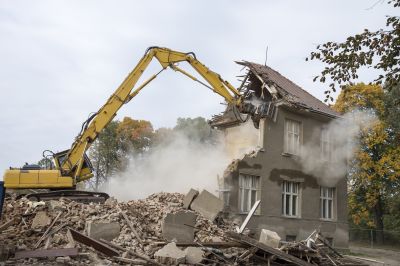
Heavy machinery preparing a site for demolition.

Clearing and securing a property before demolition begins.

Using specialized techniques for safe building removal.

Ways to make Demolition Service work in tight or awkward layouts.

Popular materials for Demolition Service and why they hold up over time.
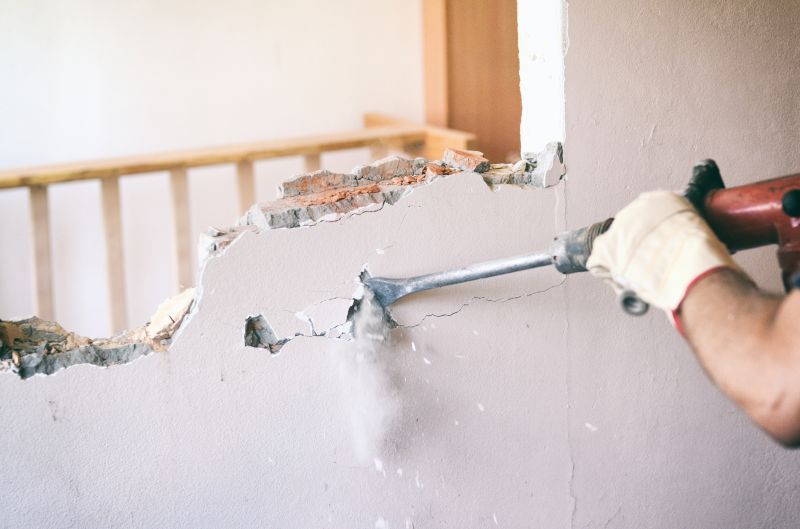
Simple add-ons that improve Demolition Service without blowing the budget.
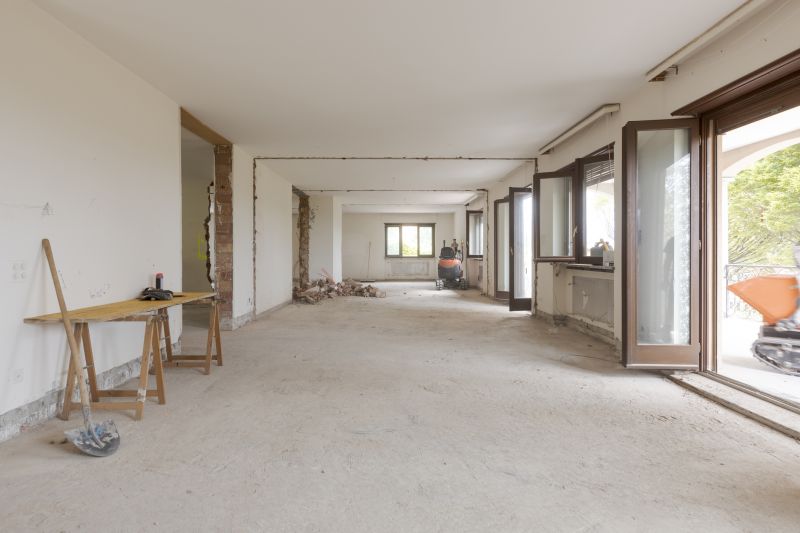
High-end options that actually feel worth it for Demolition Service.

Finishes and colors that play nicely with Demolition Service.
Demolition service involves the careful dismantling and removal of structures to prepare sites for new construction or development. It requires precise planning, specialized equipment, and adherence to safety standards. Proper timing ensures minimal disruption to surrounding areas and compliance with local regulations. Advances in demolition technology have increased efficiency and safety, reducing project timelines and costs.
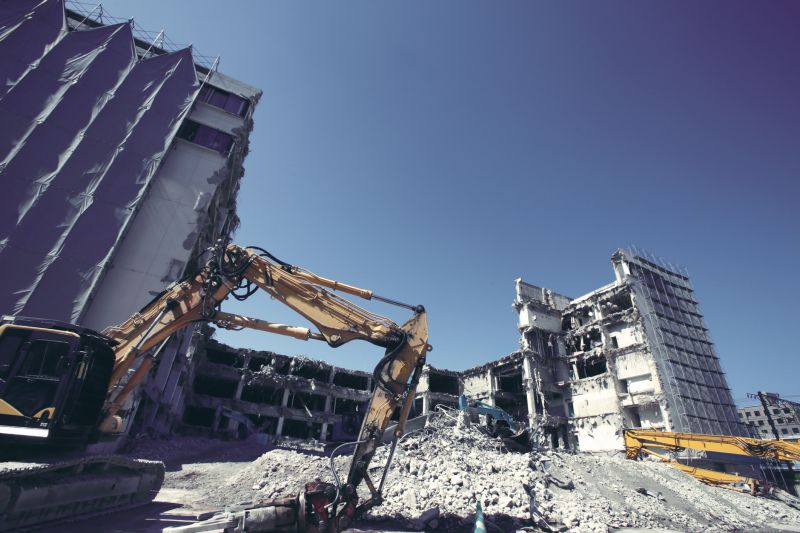
Large-scale demolition of industrial facilities.
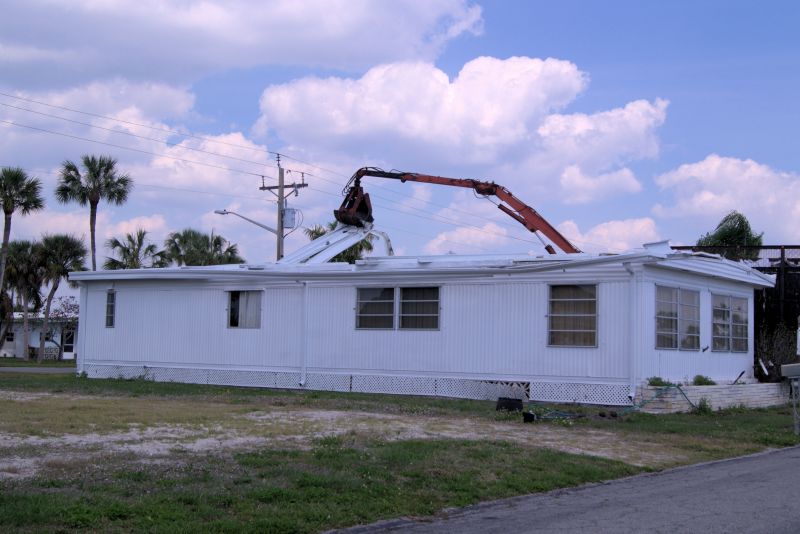
Removing residential structures safely.

Specialized removal of hazardous materials during demolition.
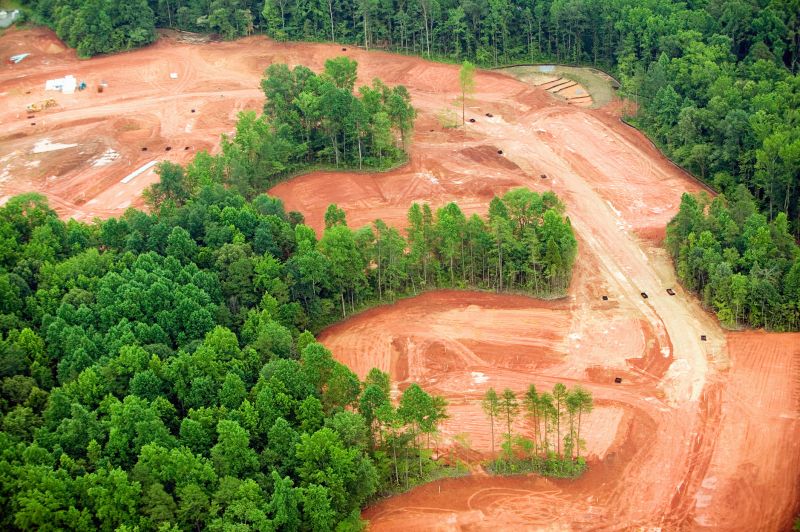
Preparing land for new development.
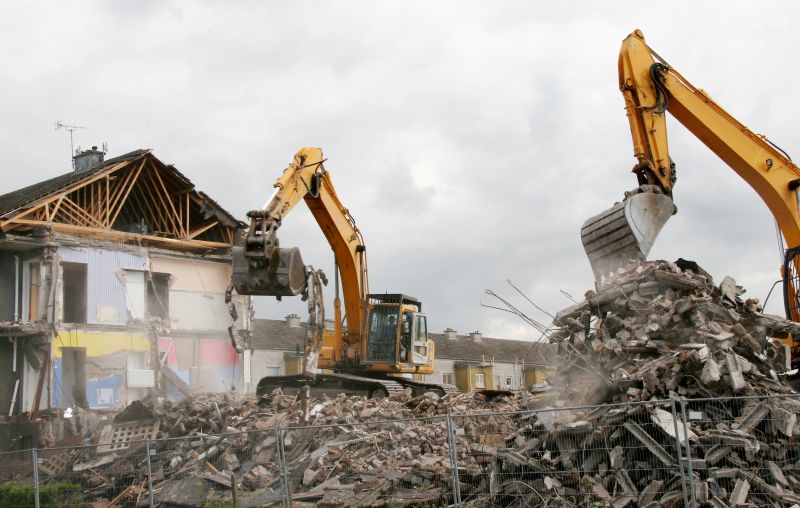
Controlled demolition of complex structures.

Little measurements that prevent headaches on Demolition Service day.
| Factor | Impact on Timing |
|---|---|
| Weather Conditions | Weather influences safety and schedule; dry seasons preferred. |
| Permitting Process | Approval times can vary, affecting project start date. |
| Material Removal | Availability of disposal facilities impacts timing. |
| Project Size | Larger projects require more planning and coordination. |
| Community Restrictions | Local noise and activity restrictions may limit work hours. |
| Equipment Availability | Access to machinery can influence scheduling. |
| Seasonal Factors | Spring and fall often offer optimal conditions. |
| Regulatory Compliance | Adhering to regulations ensures smooth progress. |
Choosing the right timing for demolition service can enhance safety, efficiency, and compliance. Proper planning considers weather patterns, regulatory requirements, and project scope. Engaging with experienced professionals ensures that all factors are managed effectively, leading to successful project completion.

Preparing a site for safe demolition.
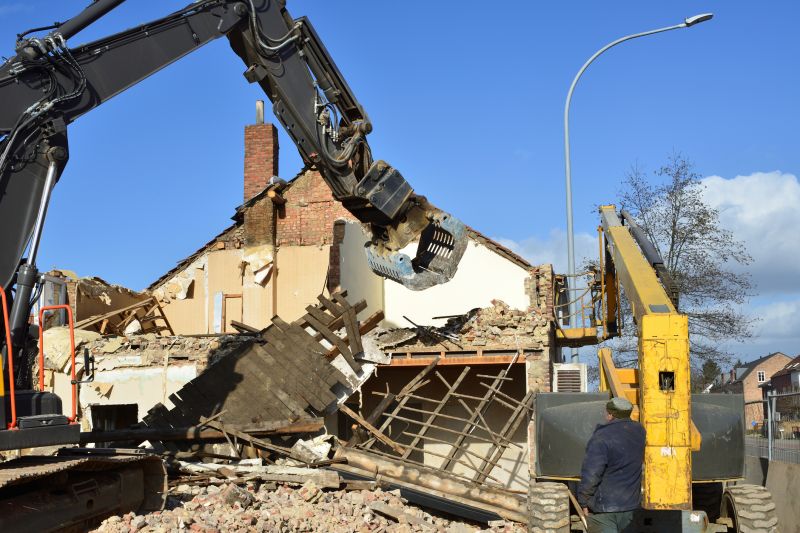
Executing precise demolition techniques.
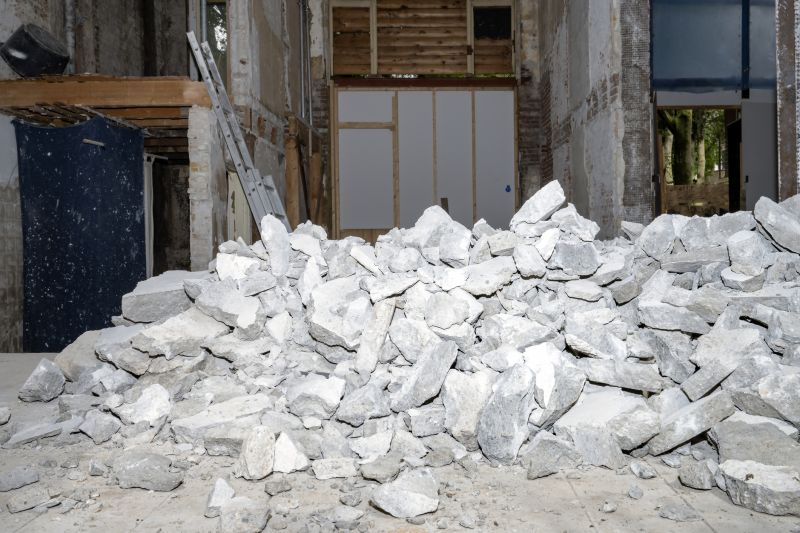
Efficient cleanup after demolition.

Ready for new construction or development.

A 60-second routine that keeps Demolition Service looking new.

A frequent mistake in Demolition Service and how to dodge it.

Small tweaks to make Demolition Service safer and easier to use.
Lower-waste or water-saving choices for Demolition Service.
Interested in scheduling a demolition project? Filling out the contact form provides an opportunity to discuss specific needs and timelines. Expert guidance can help determine the best time to undertake demolition, ensuring safety and efficiency throughout the process.